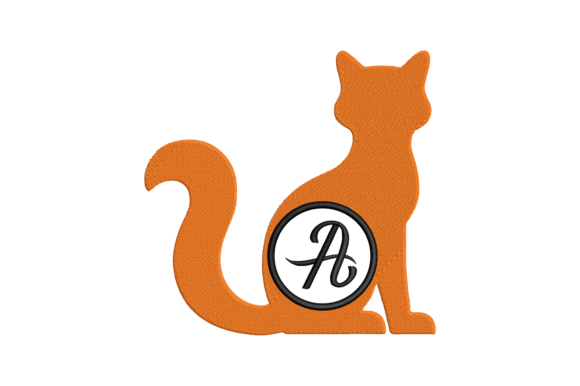
Cat Letter A: A Designer’s Review for Real Projects
As an embroidery designer who has spent years digitizing patterns and testing them on everything from stiff denim to slippery satin, I approach every new machine embroidery design with a critical eye. It is not enough for a file to look cute on a screen; it must perform under the needle. Recently, I evaluated the Cat Letter A design, specifically looking at its viability for the upcoming Back To School season and year-round personalized gifts. This review breaks down how this specific embroidery file holds up in real-world applications, offering practical insights for fellow designers, Etsy sellers, and hobbyists.
First Impressions: Charm Meets Structure
The first thing that strikes you about Cat Letter A is its balanced personality. It manages to be playful without sacrificing legibility. The integration of feline elements into the typographic structure of the letter "A" is seamless. For a designer, this is crucial. Often, novelty fonts or themed letters suffer from poor kerning or awkward negative space, but this layout feels intentional. The mood is warm and inviting, making it an ideal candidate for projects that require a touch of whimsy.
Visually, the design relies on a mix of shapes that suggest both softness and definition. When I loaded the file into my editing software to inspect the stitch paths, I noticed a thoughtful distribution of detail. It does not appear overly dense, which is a common pitfall in character-based designs. This suggests that the digitizer considered the physical limitations of thread and fabric, aiming for a clean finish rather than maximum coverage.
Real-World Application: The Tote Bag Test
To truly understand the value of an embroidery project, you have to imagine it stitched out. I visualized using Cat Letter A on a canvas tote bag, a staple item for students and shoppers alike. In this context, the design shines. The bold lines of the letter "A" provide a strong anchor, while the cat details add the unique flair that turns a generic bag into a handmade product with character.
For an Etsy seller or small shop owner, this versatility is key. You are not just selling a letter; you are selling personalization. A customer might want this for their child’s backpack tag, a teacher’s appreciation gift, or a library book bag. The design’s clarity ensures that even from a distance, the letter is recognizable, while the close-up view rewards the observer with intricate details. This dual-level appeal increases the perceived value of the finished product.
Apparel and Custom Gifts
Beyond accessories, I considered this design for custom apparel. Imagine it embroidered on the chest of a cozy sweatshirt or the collar of a polo shirt. For sweatshirt embroidery, the design needs to handle the texture of fleece or cotton blends. Cat Letter A appears robust enough to stand up to these heavier fabrics without getting lost in the pile. Similarly, for baby embroidery on onesies or bibs, the soft curves of the cat elements complement the gentle aesthetic required for infant items. It transforms a basic garment into a cherished personalized gift.
Technical Considerations for Stitching
While the aesthetic is appealing, the technical execution determines whether a design is a joy to stitch or a nightmare. Here are my observations on how Cat Letter A performs regarding stitch types and density.
- Stitch Density: The design seems to utilize a balanced approach. Overly dense fills can cause puckering, especially on lighter fabrics. This design appears to use sufficient underlay to stabilize the shape without excessive bulk.
- Stitch Types: Expect a combination of satin stitch for the borders and defining lines, and potentially fill stitch for larger areas of the cat or letter body. Running stitch may be used for finer details like whiskers or inner contours. This variety adds texture and depth to the final look.
- Thread Colors: The design likely relies on contrast to define the cat features within the letter. Choosing the right thread colors is vital. High contrast will make the details pop, while monochromatic schemes will offer a more subtle, sophisticated look suitable for boutique branding.
Navigating Fabric and Hoop Challenges
No design is universal, and Cat Letter A requires careful consideration of the substrate. If you are working with stretchy fabric like jersey knit, proper stabilization is non-negotiable. The letter structure needs support to prevent distortion during stitching and washing. For textured fabrics such as terry cloth or heavy wool, you may need to adjust the pull compensation or use a cut-away stabilizer to ensure the details remain crisp.
When using smaller hoop sizes, pay attention to the edges of the design. Ensure that the cat’s ears or the tips of the letter "A" do not get too close to the hoop boundary, which can cause thread breaks or incomplete stitches. For curved surfaces like caps, the design’s flat nature might require additional foam backing or specialized digitizing adjustments to maintain its shape on the rounded crown.
Commercial Viability and Brand Consistency
For those running a craft business, consistency is brand currency. Cat Letter A offers a professional look that can elevate your small shop product line. Whether you are creating holiday embroidery for Christmas ornaments or back-to-school bundles, this design fits seamlessly into a cohesive collection. It allows for easy customization—changing thread colors to match school colors or seasonal palettes—without altering the core integrity of the design.
Moreover, using high-quality design assets like this builds customer trust. Buyers can see the precision in the stitching, which reflects well on your craftsmanship. It encourages repeat business because customers know they are receiving a durable, well-executed item. When creating printable mockups for your online store, this design photographs well, showcasing the texture and dimension that digital previews often miss.
Practical Designer Notes
Before you commit to stitching Cat Letter A on a client’s expensive garment, follow these best practices:
- Test on Scrap Fabric: Always run a test stitch on the same type of fabric you plan to use. This reveals any tension issues or registration errors.
- Check Stabilizer Choice: Match your stabilizer to the fabric weight. Lightweight fabrics need tear-away or cut-away support, while stable canvases might only need a light tear-away.
- Inspect Small Details: Zoom in on the preview. Are the tiny details of the cat’s face clear? If they seem too fine, consider simplifying or enlarging the design slightly.
- Verify Licensing: If you plan to sell items made with this digital embroidery file, confirm the license terms. Most designers allow commercial use for finished physical goods, but restrictions may apply to reselling the file itself.
- Contrast Check: View the design in black and white to ensure the shapes are distinct. If the details disappear in grayscale, you may need to adjust thread choices for better visibility.
In conclusion, Cat Letter A is a strong contender for your embroidery library. It balances charm with technical practicality, making it suitable for a wide range of applications from commercial embroidery projects to heartfelt homemade gifts. By understanding its strengths and respecting its limitations, you can create stunning, professional-quality items that delight your customers and showcase your skill.