Chimera Embroidery Font Review
As an embroidery designer who has spent countless hours behind the hoop and even more time standing behind a craft fair table, I know that not all fonts are created equal. When you are preparing for a weekend market, every stitch counts toward your bottom line. Recently, I downloaded the Chimera Embroidery Font to test its viability for my upcoming booth display. My goal was simple: determine if this design could elevate my Back To School collection and serve as a reliable staple for year-round handmade product sales.
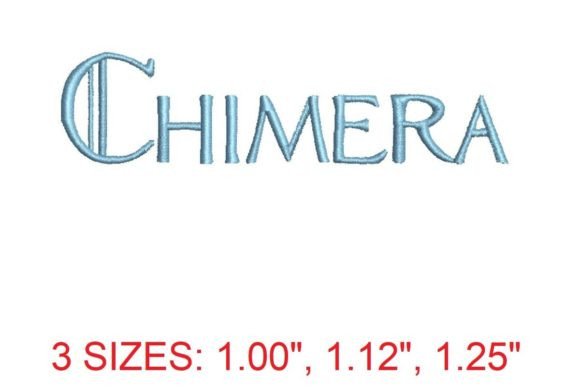
The first impression of the Chimera Embroidery Font is one of whimsical elegance. It does not scream for attention with aggressive boldness, nor does it fade into the background with excessive minimalism. Instead, it strikes a balance that feels both modern and slightly fantastical. For a seller, this is crucial. You need a typeface that reads clearly from three feet away but still invites the customer to step closer and inspect the craftsmanship. In the context of Embroidery, this font suggests a premium feel, making it ideal for customers looking for something beyond the standard block letters found in big-box stores.
Real-World Application on Craft Fair Products
To truly judge a machine embroidery design, you must visualize it on actual goods. I imagined my typical craft fair spread: canvas tote bags, linen aprons, flour sack tea towels, and structured caps. Here is how the Chimera Embroidery Font performs across these mediums.
Tote Bags and Market Bags: This is where the font shines brightest. A personalized tote bag is a perennial bestseller. The flowing nature of the Chimera design looks exceptional when embroidered in a contrasting thread color against natural canvas or heavy cotton. It transforms a simple utility item into a stylish accessory. For Etsy sellers, this means high-quality printable mockup potential. The design photographs well because the lines are distinct, allowing the texture of the thread to pop in digital listings.
Aprons and Tea Towels: Kitchen textiles require durability and clarity. The Chimera Embroidery Font works beautifully for monogramming aprons, adding a touch of boutique charm to a functional item. However, when applying it to tea towel embroidery, caution is needed. Flour sack towels have a loose weave. If the font includes very fine details, they may get lost in the fabric texture. I recommend using a cut-away stabilizer to prevent puckering and ensuring the stitch density is sufficient to cover the weave without becoming too stiff.
Caps and Patches: Curved surfaces are the enemy of complex typography. While the Chimera font is captivating, it requires careful placement on caps. I found that keeping the text short—such as a three-letter monogram or a single word like "Create"—works best. For embroidered patch production, this font is a strong contender. Patches allow you to control the backing and stabilizer completely, ensuring the finished product lies flat and maintains its shape. This makes it a low-risk, high-reward craft fair product for impulse buys.
Production Practicality for Small Shop Owners
For creative entrepreneurs and small shop product makers, time is money. The Chimera Embroidery Font appears to be designed with efficiency in mind. One of the biggest advantages is its readability at various sizes. A font that only looks good at four inches tall is limiting. This design maintains its character even when scaled down for small pouches or gift tags, provided you avoid going so small that the stitches merge.
Batch production is another key consideration. Because the font integrates seamlessly with the popular PES file format, it effortlessly integrates with Brother, Babylock, and other major machines. This compatibility reduces the friction of file conversion, allowing you to focus on stitching rather than troubleshooting software. For those running a commercial embroidery operation, this reliability is non-negotiable. You need to know that the file will load correctly and stitch out consistently, hour after hour.
However, there are practical notes to consider. Always check the stitch density before running a full batch. Dense areas can cause needle breaks or fabric distortion, especially on lighter materials like silk or rayon blends. I strongly advise testing the design on scrap fabric first. Check how the thread colors interact with your chosen material. A dark thread on dark fabric may lose the definition of the Chimera curves, while a metallic thread might highlight the enchanting quality of the font but require slower machine speeds.
Visual Appeal and Brand Consistency
Your booth display is your silent salesman. The Chimera Embroidery Font contributes to a cohesive brand aesthetic that feels curated and thoughtful. Whether you are targeting the Back To School rush with personalized lunch sacks or creating holiday gifts, this font adds a layer of perceived value. Customers are willing to pay more for items that look professionally designed rather than hastily assembled.
When creating your design assets for online listings, use this font to create lifestyle images that tell a story. Show the embroidered tote being used at a farmer's market or the apron in a bright, modern kitchen. The visual appeal of the Chimera design helps stop the scroll on social media and draws eyes to your Etsy listings. It signals that your finished product is made with attention to detail.
Important Technical Considerations
Before you commit to selling products featuring the Chimera Embroidery Font, there are several technical checks you must perform. First, confirm the hoop size requirements. Some letters or ligatures in decorative fonts may require a larger hoop to stitch out without re-hooping, which can lead to alignment issues. Second, review the licensing terms. While the description mentions compatibility with Brother and Babylock, always verify if the digital embroidery file comes with a commercial license. Selling finished products is different from personal use, and you must ensure you are legally covered.
Additionally, consider the fabric texture. Thick fabrics like denim or corduroy may require a different needle size and stabilizer combination than lightweight cotton. If you are stitching on textured towels, the tiny details of the font might not translate perfectly. In such cases, simplify the design or increase the size to maintain clarity. Always create at least one real mockup on the actual fabric you intend to sell. Photos of digital renders are helpful, but nothing replaces seeing the thread pull and sheen in person.
In conclusion, the Chimera Embroidery Font is a versatile and attractive addition to any embroidery designer’s library. It offers the right mix of enchantment and practicality for craft fair sellers and handmade market vendors. By paying attention to stitch density, fabric choice, and proper stabilization, you can create stunning tote bag design options, elegant aprons, and charming patches that resonate with buyers. Remember to test thoroughly, respect the limitations of your materials, and let the unique character of this font enhance the perceived value of your handmade creations.