Cute Rabbit Number 7: A Designer’s Review
As an embroidery designer who spends countless hours digitizing and testing files for boutique apparel, I approach every new machine embroidery design with a critical eye. It is not just about whether the image looks cute on a screen; it is about how those stitches translate onto fabric, how they hold up after washing, and whether they elevate the perceived value of the garment. Recently, I explored Cute Rabbit Number 7 from Creative Fabrica, specifically looking at its potential for my upcoming small-batch sweatshirt and hoodie collection. For anyone running a handmade business or managing an online shop, understanding the nuance of a design before you hoop your first blank is essential.
First Impressions and Visual Personality
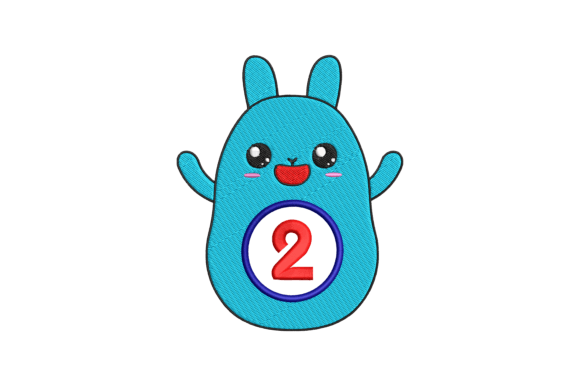
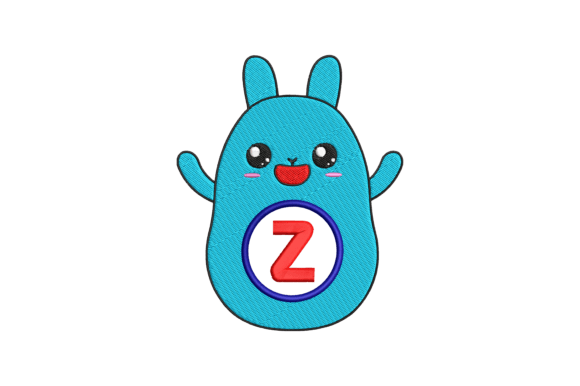
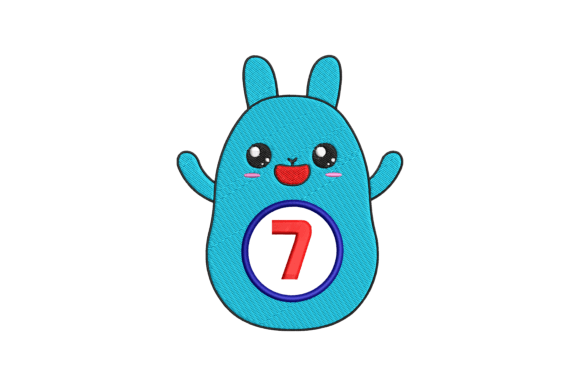
The immediate appeal of Cute Rabbit Number 7 lies in its balanced aesthetic. It sits comfortably in that sweet spot between playful and polished. The design features a charming rabbit motif integrated with the number seven, which gives it a specific niche appeal. Visually, it feels soft and approachable, making it an excellent candidate for the Back To School season, particularly for younger demographics or parents looking for personalized items for their children. However, do not let the "cute" label fool you into thinking it lacks sophistication. The line work suggests a level of detail that, when executed correctly with high-quality thread, reads as premium rather than juvenile.
For a boutique brand, visual consistency is key. This design offers a decorative strength that works well on neutral tones. I imagined it immediately on a heather grey oversized hoodie or a pastel pink crewneck sweatshirt. The contrast potential is high, allowing us to play with thread colors to match specific brand palettes. Whether you are aiming for a minimalist look with monochromatic stitching or a bold pop of color against dark apparel, the silhouette of the rabbit and the numeral provides a solid foundation for creative experimentation.
Strategic Placement for Apparel and Accessories
When planning a collection, placement dictates the vibe of the finished product. I reviewed Cute Rabbit Number 7 with several garment types in mind, considering how the design interacts with different cuts and fabrics.
- Hoodie Chest Placement: This is the most traditional and safe bet. Centered on the left chest, the design acts as a subtle brand marker or personal identifier. It is small enough not to overwhelm the garment but detailed enough to be noticed.
- Sleeve Accents: For a more trendy, streetwear-inspired look, placing this design on the lower sleeve of an oversized sweatshirt creates a unique selling point. It breaks up the negative space and adds a custom feel that buyers often seek in higher-priced items.
- Back Designs: If the file scales well, a larger version could work on the upper back of a hoodie. However, one must be cautious with stitch density in larger formats to ensure the fabric does not pucker.
- Tote Bag Design: Beyond apparel, this design translates beautifully to canvas tote bags. The sturdy nature of canvas handles embroidery well, making it a great add-on item for Etsy sellers looking to expand their product range.
- Denim Jackets: Embroidering on denim requires attention to needle choice and stabilizer, but the rustic texture of denim contrasts nicely with the soft lines of the rabbit, creating a charming, vintage-inspired piece.
For social media graphics and printable mockups, the clarity of the design allows for crisp digital representations. This is crucial for online listings where the customer cannot touch the fabric. A clean, well-digitized design photographs better, leading to higher click-through rates and improved customer engagement.
Technical Considerations for Professional Results
While the visual appeal is strong, the technical execution is what separates a hobbyist project from a commercial product. Before running Cute Rabbit Number 7 on your final inventory, there are several practical steps every embroidery professional should take.
First, always test on scrap fabric that matches the weight and texture of your actual garments. If you are using fleece for sweatshirts, the pile can sometimes obscure finer details. You may need to adjust your stabilizer choice—using a cut-away stabilizer for stretchy fabrics like jersey or fleece is often recommended to prevent distortion over time. For woven fabrics like denim or tote bags, a tear-away might suffice, but testing is non-negotiable.
Second, consider the hoop size relative to the design. Ensure that the design fits comfortably within your hoop without being too close to the edge, which can cause hooping marks or stitching errors. If you are working with curved surfaces, such as the sleeve of a hoodie, use magnetic hoops or specialized jigs to keep the fabric taut and flat during stitching.
Third, review the thread color contrast. On dark garments, you will need to use a underlay or a satin stitch border to prevent the fabric color from showing through the design. This is a common issue with dense designs on black or navy apparel. Taking the time to map out your thread chart before production saves wasted materials and ensures a professional finish.
Enhancing Brand Value and Buyer Trust
In the world of custom apparel, the quality of your embroidery directly impacts buyer trust. A poorly stitched design can lead to returns and negative reviews, while a crisp, clean execution builds brand loyalty. Cute Rabbit Number 7 has the potential to become a signature element for a small shop product line. By consistently using high-quality threads and precise stitching, you signal to your customers that you care about craftsmanship.
This attention to detail enhances product recognition. When customers see that specific rabbit and number combination executed flawlessly, they begin to associate it with your brand’s standard of quality. This is particularly important for Etsy sellers and creative entrepreneurs who rely on repeat business and word-of-mouth marketing. A well-executed embroidery piece becomes a tactile experience for the buyer, adding a layer of luxury that printed graphics simply cannot match.
Licensing and Final Verification
Before launching any commercial embroidery product, it is vital to verify the licensing terms associated with the digital embroidery file. Creative Fabrica offers various license types, and you must ensure that your intended use—selling finished physical goods—is covered. Do not assume; read the product details carefully. Additionally, confirm the available file formats to ensure compatibility with your specific embroidery machine. While many modern machines accept multiple formats, having the correct file type prevents conversion errors that can alter stitch paths.
In summary, Cute Rabbit Number 7 is a versatile and charming addition to any embroidery designer’s library. Its suitability for sweatshirt embroidery, hoodies, and accessories makes it a valuable asset for the Back To School season and beyond. By approaching this design with a professional mindset—testing thoroughly, choosing the right materials, and respecting licensing guidelines—you can create beautiful, high-value products that resonate with your audience. Remember, embroidery is an art form that elevates fabric, and with the right execution, this design can add a touch of elegance and charm to your boutique collection.