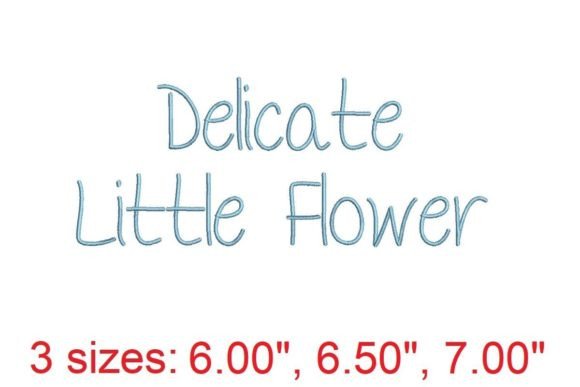
Reviewing Delicate Little Flower for Gifts
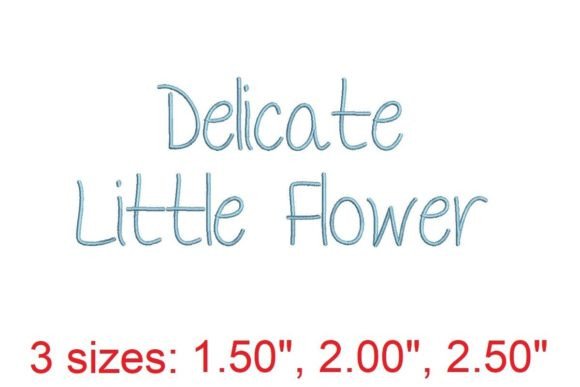
As an embroidery designer who has spent years testing fonts and motifs for client orders, I approach every new machine embroidery design with a mix of curiosity and caution. When I first loaded the Delicate Little Flower file into my software, I was immediately struck by its softness. It is not just a font; it is a mood. For those of us running small shops or selling on Etsy, finding a design that balances elegance with readability is the holy grail. This review explores how this specific design performs when moved from the digital screen to actual fabric, specifically focusing on its potential for personalized gifts.
The First Impression: Charm and Elegance
The name Delicate Little Flower sets a high expectation, and the design largely meets it. The aesthetic is undeniably romantic and sweet, leaning heavily into a handmade, vintage-inspired vibe. Unlike bold, blocky fonts that shout for attention, this design whispers. It features subtle flourishes that mimic the organic curves of petals and vines. For a crafter, this means the design feels less like industrial manufacturing and more like a labor of love.
When considering the emotional appeal, this font shines in contexts where tenderness is key. It does not feel modern or stark; instead, it feels classic and timeless. If you are creating a personalized gift meant to evoke nostalgia or warmth, this typeface provides an instant emotional connection. However, its delicacy means it requires careful handling. It is not a design you can rush. It demands respect for the material it is stitched onto.
Ideal Applications for Personalized Products
In my test runs, I focused on items that benefit from a gentle touch. The Delicate Little Flower excels in baby and wedding markets. For baby embroidery, imagine a soft muslin swaddle or a christening gown. The fine lines of the font complement the innocence of infant products without overwhelming them. Similarly, for a wedding gift, such as a ring bearer pillow or a guest book cover, the design adds a layer of sophistication that appeals to brides looking for something unique yet understated.
Beyond these traditional categories, I found surprising versatility. An embroidered towel featuring this font becomes a luxurious kitchen accent rather than a utilitarian object. A simple linen pillow cover monogrammed with this style transforms a basic home decor item into a heirloom-quality piece. Even blanket embroidery works well, provided the scale is adjusted correctly. For Etsy sellers, this design offers a distinct niche. It allows you to move away from generic, heavy fonts and offer a product that feels curated and exclusive.
While the primary category might lean towards nursery or bridal, there is a subtle angle for Back To School items. Think of a delicate name tag on a canvas tote bag for a young student who loves art or nature. It is not the typical bold varsity style, but for a specific customer base seeking handmade product uniqueness, it stands out.
Navigating Technical Challenges and Fabric Choices
Here is where the experienced designer must pay attention. The beauty of Delicate Little Flower lies in its fine details, but these same details are its vulnerability. When stitching on textured fabric, such as thick terry cloth towels or waffle weave, the small serifs and thin connections can get lost. I recommend avoiding this design on highly textured surfaces unless you are using a very high-contrast thread color and a dense underlay.
Stretchy fabrics, common in baby clothes, present another challenge. Without proper stabilization, the delicate lines can distort, causing the letters to look warped or broken. Always use a cut-away stabilizer for knits to ensure the stitch density holds the shape over time. Additionally, be cautious with dark fabrics. If the design relies on thin single-line stitches, they may not provide enough coverage to hide the background fabric color. In such cases, consider adding a satin stitch border or choosing a lighter fabric to maintain the design's integrity.
Curved surfaces, like the toe of a sock or the rounded edge of a bib, can also distort the proportional spacing of the font. I advise stitching a test patch on a curved scrap piece before committing to a final finished product. This helps you determine if the hoop size you are using allows for adequate framing without pulling the fabric too tightly, which can cause puckering around the delicate elements.
Enhancing Perceived Value and Customer Trust
From a business perspective, the choice of font directly impacts perceived value. Delicate Little Flower signals quality. It suggests that the maker cares about aesthetics and detail. When customers see this level of refinement in your custom embroidery, they are often willing to pay a premium. It builds trust because it looks difficult to execute, implying skill and effort.
For product photography, this design photographs beautifully. The light and shadow play well with the subtle curves, making your printable mockup or actual photos look professional and inviting. This visual appeal drives buyer engagement on social media and marketplaces. A well-stitched example of this font can serve as a flagship image for your shop, attracting customers who are looking for something beyond the ordinary.
Practical Steps for Successful Stitching
To ensure the best results with this digital embroidery file, follow these practical steps before starting any customer order:
- Test on Scrap Fabric: Always stitch a sample on the exact fabric type you plan to use for the final item. This reveals any issues with tension or density.
- Check Thread Color Contrast: Use high-contrast threads for testing to clearly see every stitch. For the final product, choose colors that harmonize with the fabric while maintaining readability.
- Confirm Hoop Size: Ensure your hoop is large enough to accommodate the design without excessive re-hooping, which can misalign delicate patterns.
- Review Stitch Density: Check the density settings in your software. If it seems too sparse for your fabric, consider adding underlay stitches to prevent sinking.
- Use Proper Stabilizer: Match the stabilizer to the fabric weight. Lightweight fabrics need lightweight stabilizers to avoid stiffness, while heavier fabrics may need more support.
- Compare Light and Dark Mockups: Visualize how the design looks on both light and dark backgrounds to advise customers on the best color combinations.
- Inspect Small Details: After stitching, examine the tiniest parts of the flower motifs. Ensure they are clean and not tangled or pulled.
- Verify Licensing: Before selling any commercial embroidery products, confirm the license terms of the embroidery file. Ensure you have the right to sell finished goods made with this design.
In conclusion, Delicate Little Flower is a valuable addition to any designer’s library, particularly for those specializing in sentimental, high-end personalized items. It requires a thoughtful approach to fabric and technique, but the result is a sophisticated, charming product that resonates with customers seeking meaning in their purchases. By respecting its delicate nature and preparing meticulously, you can create stunning pieces that elevate your brand and delight your clients.